Home

Category

Science & Culture

13 articles

Basement Breakthroughs: 10 World-Changing Inventions Born in America's Forgotten Corners

Basement Breakthroughs: 10 World-Changing Inventions Born in America's Forgotten Corners

From Apple computers to Post-it Notes, some of humanity's most revolutionary inventions didn't emerge from gleaming laboratories or corporate R&D departments. These ten American innovations prove that world-changing ideas often begin in the most unlikely places—cluttered basements, spare bedrooms, and forgotten corners where obsession meets opportunity.

The Immigrant Who Filed in Broken English and Changed How America Lives

The Immigrant Who Filed in Broken English and Changed How America Lives

When Stephanie Kwolek walked into the U.S. Patent Office in 1965, her English was imperfect and her invention seemed impossible. The DuPont chemist had created something five times stronger than steel, but convincing skeptical officials would require more than scientific proof—it would take unshakeable determination.

The Country Kid Who Convinced NASA to Take the Long Way to the Moon

The Country Kid Who Convinced NASA to Take the Long Way to the Moon

While America's brightest minds debated how to reach the moon, a farm boy from rural Virginia quietly solved the puzzle that would make the Apollo missions possible. John Houbolt's radical idea was so unpopular that NASA executives tried to silence him — until they realized he was right.

Locked in a Cell, He Unlocked the Secrets of the Cosmos

Locked in a Cell, He Unlocked the Secrets of the Cosmos

A man behind bars with no formal training became obsessed with theoretical physics. Using smuggled textbooks and a mind that refused to accept limits, he developed insights that would later challenge how credentialed scientists understood the universe.

They Locked Him Out of Every Lab. He Changed What We Breathe.

They Locked Him Out of Every Lab. He Changed What We Breathe.

He was turned away from universities, denied access to research facilities, and told — in ways both explicit and mundane — that American science had no room for someone like him. He did the work anyway, in makeshift spaces, with borrowed equipment, on a shoestring that would have broken most people long before the breakthrough came. His name belongs in every chemistry textbook in the country. For a long time, it wasn't in any of them.

Doctors Said She'd Never Walk. The World Watched Her Fly.

Doctors Said She'd Never Walk. The World Watched Her Fly.

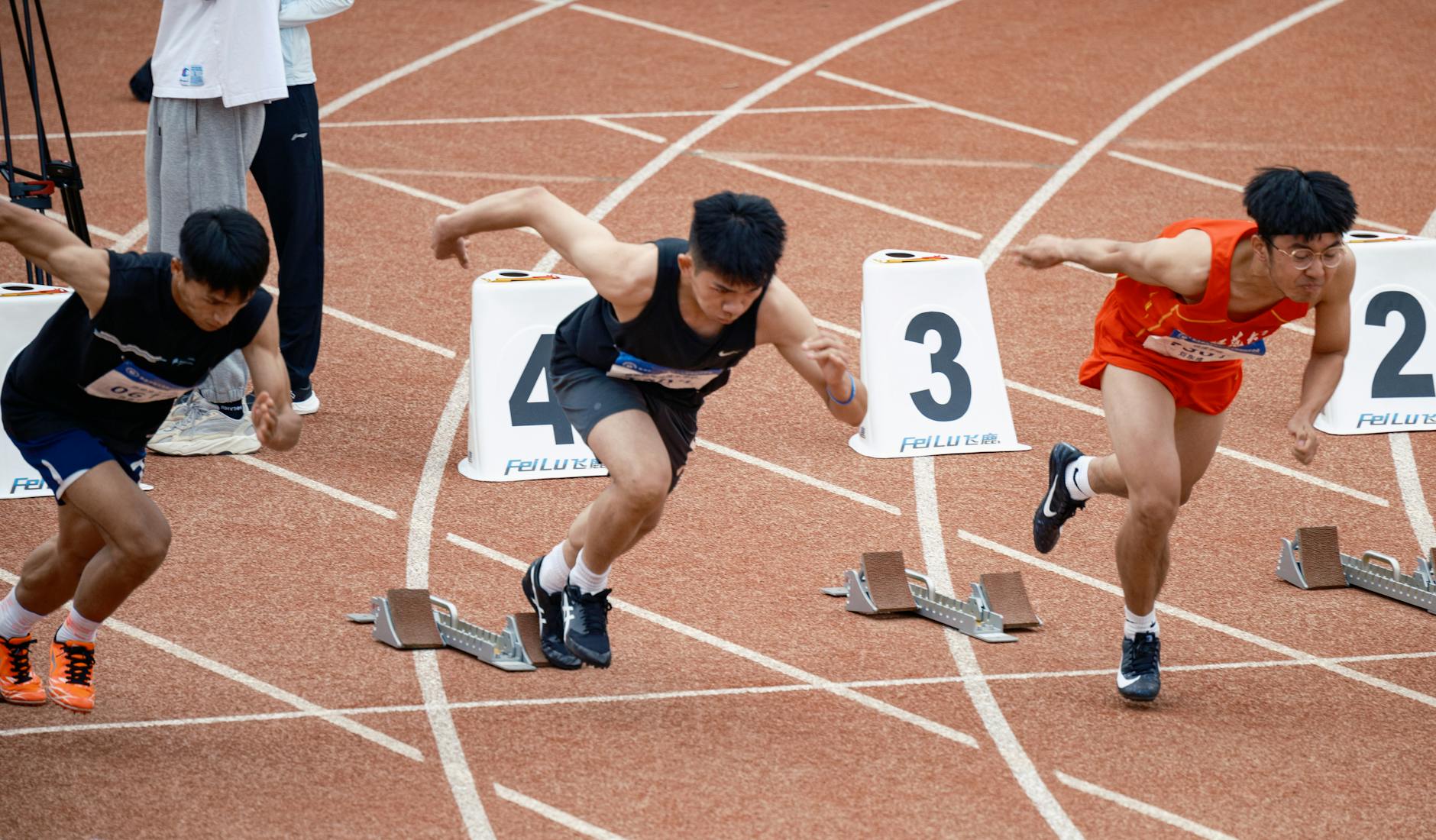
Wilma Rudolph spent her childhood in a leg brace, told by doctors she would never walk normally. Twelve years later, she stood on a podium in Rome as the fastest woman on the planet — with three Olympic gold medals around her neck. Her story isn't just inspiring. It's almost unbelievable.

The Rejection Pile That Built American Literature

The Rejection Pile That Built American Literature

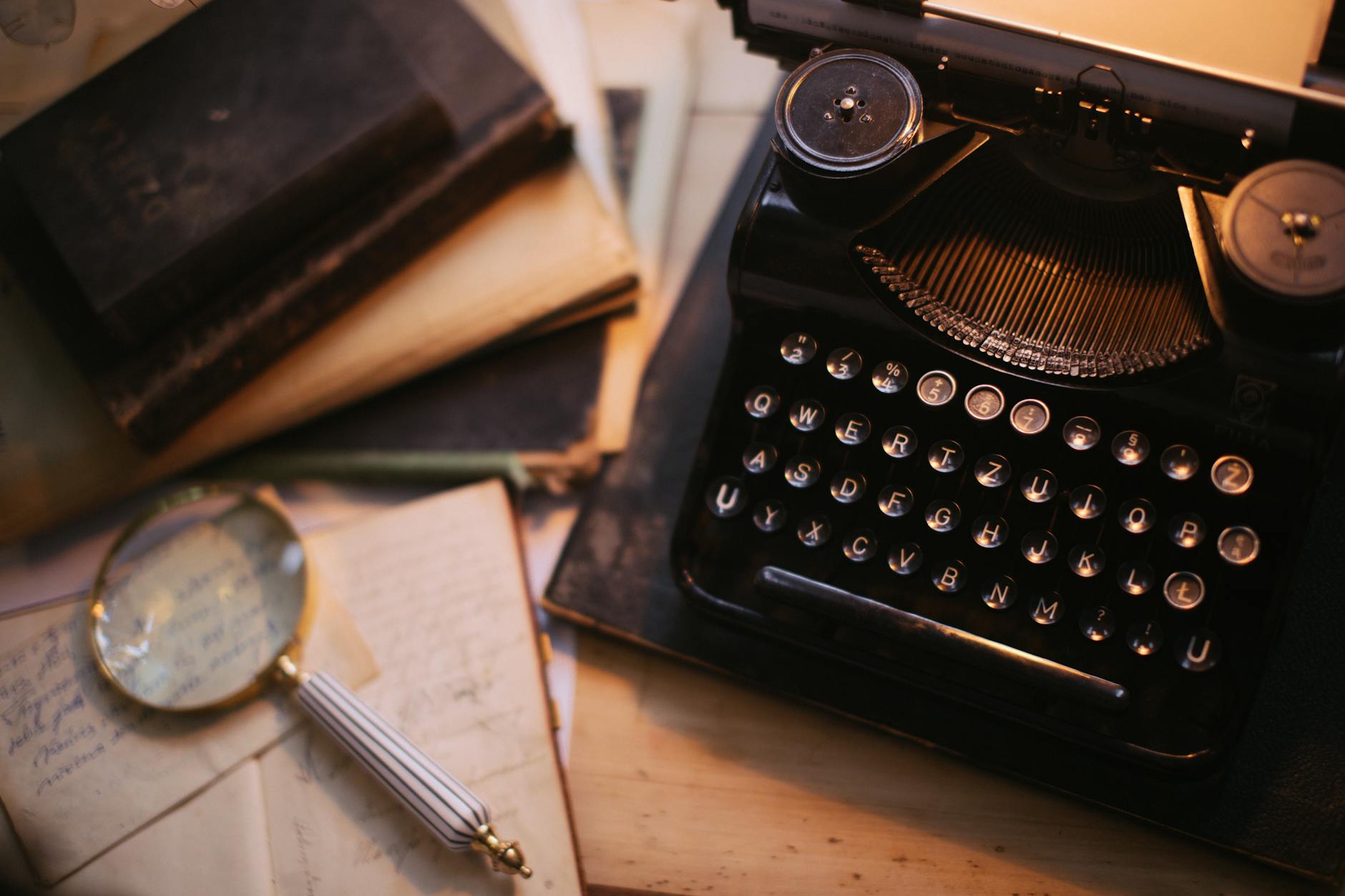
Judy Blume got rejected for two straight years. Stephen King's wife fished his most famous manuscript out of a trash can. Kathryn Stockett collected 60 rejection letters before a single publisher said yes. What these authors discovered — the hard way — is that the rejection wasn't the obstacle. It was the education.

They Kept Telling Her No. She Kept Showing Up Anyway.

They Kept Telling Her No. She Kept Showing Up Anyway.

For decades, the aerospace establishment treated women as a problem to be managed rather than talent to be developed. This is the story of one woman who refused to accept that answer — and what it cost America to make her wait as long as it did.